
"Japanese era coffee Taiwan"
70 article(s) found

The history of coffee in Taiwan: most of it is inherited from the Japanese era
Professional barista communication Please pay attention to the coffee workshop (Wechat official account cafe_style) most of Taiwan's coffee history is inherited from the Japanese era, although the early Dutch and British once occupied Taiwan, but did not leave much historical traces about coffee. Coffee trees were also planted during the Japanese occupation era, and the Japanese Industry Bureau introduced coffee from Hawaii in order to develop cash crops.

Coffee Bean Asia China Taiwan
18th century, 1884 (Guangxu 10 years) British introduced coffee in Taipei Three Gorges trial planting, Japanese occupation era, Japanese see Taiwan climate soil suitable for coffee, so from abroad to introduce "Arabica", in the north trial success, then in Zhiben, Mizuho a large number of investment in planting, yield is good. 19th century, 1941, rich production, good quality flavor, resulting in coffee in Taiwan's victory period, soon

Taiwan coffee boutique coffee Taiwan coffee
In the 18th century, in 1884 (Guang Xu's 10th year), the British introduced coffee for trial planting in the three Gorges of Taipei. during the Japanese occupation era, the Japanese saw that Taiwan's climate and soil were suitable for coffee, so they introduced "Arabica" from abroad and successfully planted it in the north. Mizuho invested a lot in planting and had a good yield. In the 19th century, in 1941, the output was rich, the quality and flavor was good, which made coffee in Taiwan's complete victory period. No.
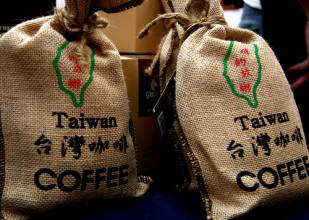
Asian Manor Taiwan coffee beans have good yield, high evaluation of flavor, high personality characteristics
China Taiwan 18th century, 1884 (Guangxu 10th year) British introduced coffee in Taipei Three Gorges trial planting, Japanese occupation era, Taiwan climate soil suitable for coffee, so from abroad to introduce "Arabica," in the north trial planting success, then in Zhiben, Mizuho a large number of investment in planting, good yield. 19th century, 1941, rich production, good quality flavor, creating coffee in Taiwan's whole

Taiwan Coffee Manor boutique coffee
In the 18th century, in 1884 (Guang Xu's 10th year), the British introduced coffee for trial planting in the three Gorges of Taipei. during the Japanese occupation era, the Japanese saw that Taiwan's climate and soil were suitable for coffee, so they introduced "Arabica" from abroad and successfully planted it in the north. Mizuho invested a lot in planting and had a good yield. In the 19th century, in 1941, the output was rich, the quality and flavor was good, which made coffee in Taiwan's complete victory period. No.
Starting with Coffee beans (48)-Asia-Taiwan
In the 18th century, in 1884 (Guang Xu's 10th year), the British introduced coffee for trial planting in the three Gorges of Taipei. during the Japanese occupation era, the Japanese saw that Taiwan's climate and soil were suitable for coffee, so they introduced "Arabica" from abroad and successfully planted it in the north. Mizuho invested a lot in planting and had a good yield. In the 19th century, in 1941, rich output and good quality and flavor led to the complete victory of coffee in Taiwan.

A brief introduction to the historical development of coffee in Taiwan to understand the reasons for coffee in Taiwan
In the 18th century, 1884 (10 years of Guang Xu), the British were introduced to trial planting in the three Gorges of Taipei. during the Japanese occupation era, the Japanese saw that Taiwan's climate and soil were suitable for coffee, so they introduced "Arabica" from abroad and successfully planted it in the north. They invested heavily in Zhiben and Mizuho, and the yield was good. In the 19th century, Taiwan had rich coffee output and good quality and flavor, which led to the complete victory period of coffee in Taiwan.

Taiwan Alpine Coffee | Wuhe platform | Wuhe Coffee | the sun at Mizuho Manor in Hualien
Professional coffee knowledge exchange more coffee bean information please follow the coffee workshop (Wechat official account cafe_style) manor block in Hualien Mizui Township Wuhetai Janana Village. Ghanana is an Ami Kalala, meaning basket, which also explains the topography of the area. There are more than 400 residents, most of whom are Ami aborigines. It is a village with agriculture as its main economic activity. Japanese occupation era

China Taiwan Coffee Taiwan Coffee Origin Introduction
18th century, 1884 (Guangxu 10 years) British introduced coffee in Taipei Three Gorges trial planting, Japanese occupation era, Japanese see Taiwan climate soil suitable for coffee, so from abroad to introduce "Arabica", in the north trial success, then in Zhiben, Mizuho a large number of investment in planting, yield is good. 19th century, 1941, rich production, good quality flavor, creating coffee in Taiwan's victory period, not
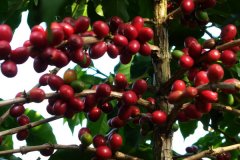
Taiwan Coffee Culture Coffee in Taiwan
In the 18th century, in 1884 (Guang Xu's 10th year), the British introduced coffee for trial planting in the three Gorges of Taipei. during the Japanese occupation era, the Japanese saw that Taiwan's climate and soil were suitable for coffee, so they introduced "Arabica" from abroad and successfully planted it in the north. Mizuho invested a lot in planting and had a good yield. In the 19th century, in 1941, the output was rich, the quality and flavor was good, which made coffee in Taiwan's complete victory period. No.
Coffee Origin Coffee Introduction China Taiwan
18th century, 1884 (Guangxu 10 years) British introduced coffee in Taipei Three Gorges trial planting, Japanese occupation era, Japanese see Taiwan climate soil suitable for coffee, so from abroad to introduce "Arabica", in the north trial success, then in Zhiben, Mizuho a large number of investment in planting, yield is good. 19th century, 1941, rich production, good quality flavor, creating coffee in Taiwan's victory period, not
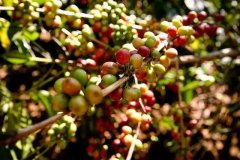
Taiwan Coffee Flavor Coffee Taiwan Coffee Culture
In the 18th century, in 1884 (Guang Xu's 10th year), the British introduced coffee for trial planting in the three Gorges of Taipei. during the Japanese occupation era, the Japanese saw that Taiwan's climate and soil were suitable for coffee, so they introduced "Arabica" from abroad and successfully planted it in the north. Mizuho invested a lot in planting and had a good yield. In the 19th century, in 1941, the output was rich, the quality and flavor was good, which made coffee in Taiwan's complete victory period. No.

Taiwan coffee flavor Taiwan grows its own coffee
In the 18th century, in 1884 (Guang Xu's 10th year), the British introduced coffee for trial planting in the three Gorges of Taipei. during the Japanese occupation era, the Japanese saw that Taiwan's climate and soil were suitable for coffee, so they introduced "Arabica" from abroad and successfully planted it in the north. Mizuho invested a lot in planting and had a good yield. In the 19th century, in 1941, the output was rich, the quality and flavor was good, which made coffee in Taiwan's complete victory period. No.

A detailed account of the history of coffee cultivation in Taiwan: how does coffee in Taiwan revive after 20 years of loss?
Professional baristas Please follow Coffee Workshop (Wechat official account cafe_style) Coffee, the second largest internationally traded commodity in the world, after oil. Coffee is a very important cash crop in many countries, but in Taiwan, you may have heard the name Gukeng Coffee. I'm sure you must be very curious. When did Taiwan start growing coffee? And Taiwan

The Reform Movement of Japanese Coffee Culture-- the push of Modernization
In the last article in this series, "Frozen Coffee across the Ocean, the birth of Japanese Coffee Culture," we learned about the influence of the Netherlands on Japanese coffee culture in the Edo era. However, after the opening of Hong Kong and trade, Japan experienced Meiji Restoration and began to accept the West under the influence of the westerly wind from the east.

Taiwan Coffee planting History with twists and turns in Coffee producing ∣
Taiwan's history of contact with coffee is not long, only more than 140 years, and it is not an ancient country with a coffee culture, and it is also the last country to play an international role in coffee production. Today, however, Taiwan has a place in the global coffee arena. Not only have several coffee professionals won the global competition for all kinds of coffee, but Taipei has also been selected by BBC as the top six coffee cities in the world. Taiwan can have such a rocket jet.
Coffee dissemination chronology
Coffee spread to Arabia (eleventh century), Egypt, Syria. (13th century) Damascus (16th century) Europe (17th century) the first people to plan to grow and eat coffee were Arabs. At the beginning of the eleventh century, people in the Arab region boiled coffee into soup or dried it and then boiled it as stomach medicine. Because Muslim precepts are strict and alcohol is strictly forbidden, Muslims

Coffee dissemination chronology
Arab (eleventh century) Egypt, Syria (13th century) Damascus (16th century) Europe (17th century) the earliest people who planned to grow and eat coffee were Arabs. At the beginning of the eleventh century, people in the Arab region boiled coffee into soup or dried it and then boiled it as stomach medicine. Because of the strict Muslim precepts and forbidden to drink alcohol, Muslims

Selection of Taiwan's most distinctive Cafe 7: Huazhong, Giocare Cafe
Travel to Hualien, in addition to the natural beauty, the local cultural flavor is also a major feature, walking to the shade of the "Giocare Cafe" to taste coffee is the best slow time in the afternoon. The coffee shop converted from the old house used to be the police office of the Japanese occupation era. Because the house is the studio of ceramists, only outdoor seats are provided here. In addition, this small space still lives.

Taiwan Fine Coffee Coffee grown in Taiwan delicious Taiwan Coffee
In the 18th century in Taiwan, China, in 1884 (the 10th year of Guang Xu), the British introduced coffee to the three Gorges in Taipei. during the Japanese occupation, the Japanese saw that Taiwan's climate and soil were suitable for coffee, so they introduced "Arabica" from abroad and successfully planted it in the north. Mizuho invested a lot in planting and had a good yield. In the 19th century, 1941, rich output, good quality and flavor led to the complete victory of coffee in Taiwan.